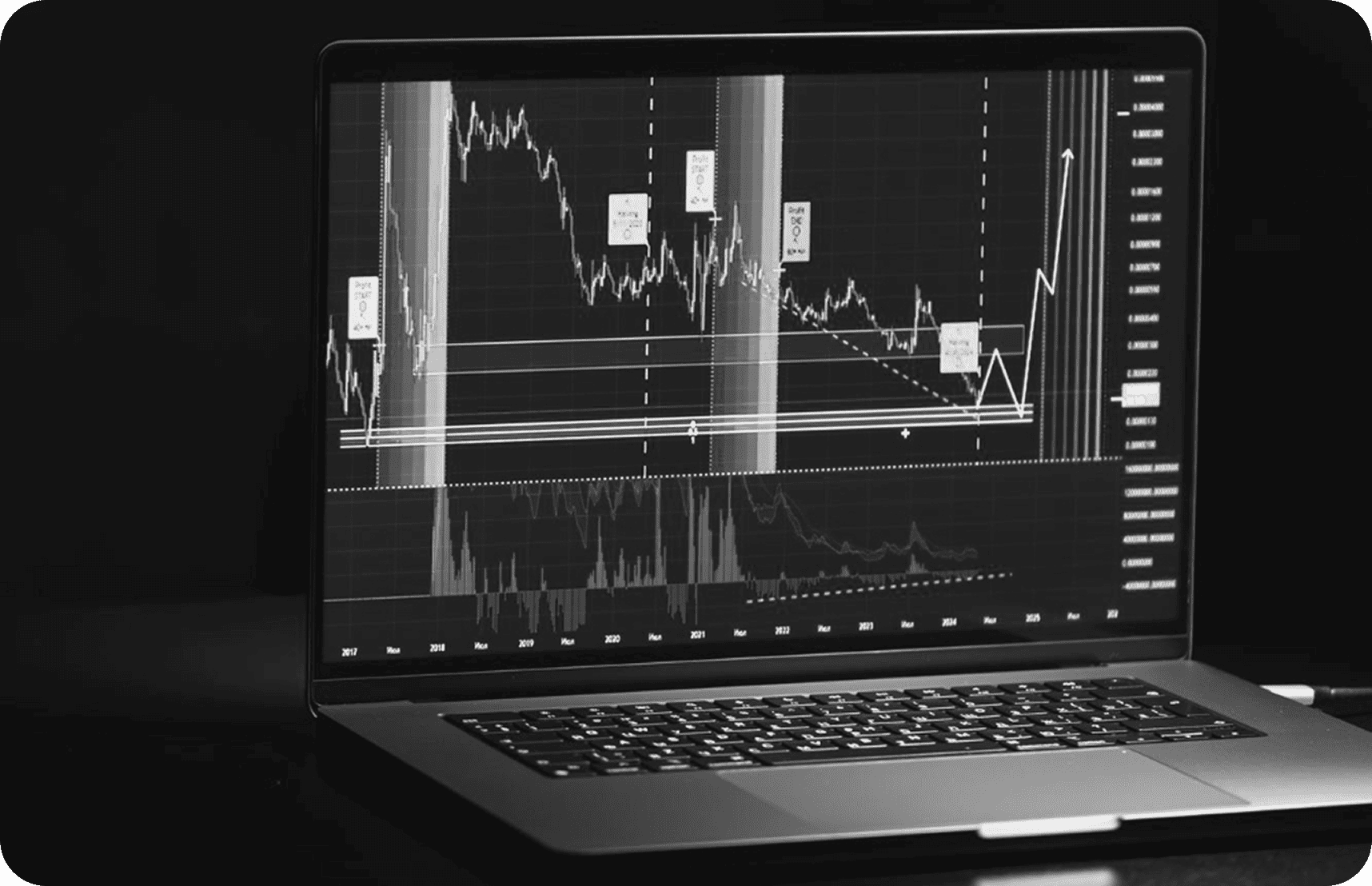
Spot trading is one of the most common and straightforward ways to buy and sell financial assets, including cryptocurrencies, stocks, and commodities. In simple terms, spot trading involves buying or selling an asset immediately (on the "spot") for its current market price. When you engage in spot trading, you take direct ownership of the asset. For example, if you buy Bitcoin on the spot market, you actually own that Bitcoin and can transfer it to a personal wallet or use it for transactions. This is different from other trading methods, like futures or options, where you are often trading contracts based on the price of the asset rather than owning the asset itself.
Key characteristics of spot markets:
The process of spot trading is quite simple and resembles a standard purchase you might make at a store.
Spot trading always happens between two assets, known as a trading pair. Examples:
In a trading pair:
Example: If you buy BTC/USDT, you are buying Bitcoin using USDT. Understanding trading pairs helps avoid common beginner mistakes, such as buying the wrong market or misinterpreting price values.
Risks:
Each group influences price differently. For example, market makers stabilize markets, while retail traders contribute to volatility during news events.
If you are ready to start spot trading, here are a few tips to help you navigate the market safely:
Key concepts every trader should understand before placing a trade
The last executed trade price represents the current market price of an asset.
Liquidity refers to how easily assets can be bought or sold without significantly affecting price.
High liquidity:
Low liquidity:
Slippage occurs when a trade executes at a different price than expected.
Common during:
Understanding liquidity helps traders choose appropriate markets, especially when trading larger amounts.
Every spot trade includes fees, which impact profitability over time.Common fee types:
Frequent trading increases cumulative fees. Beginners should factor fees into every trade calculation.