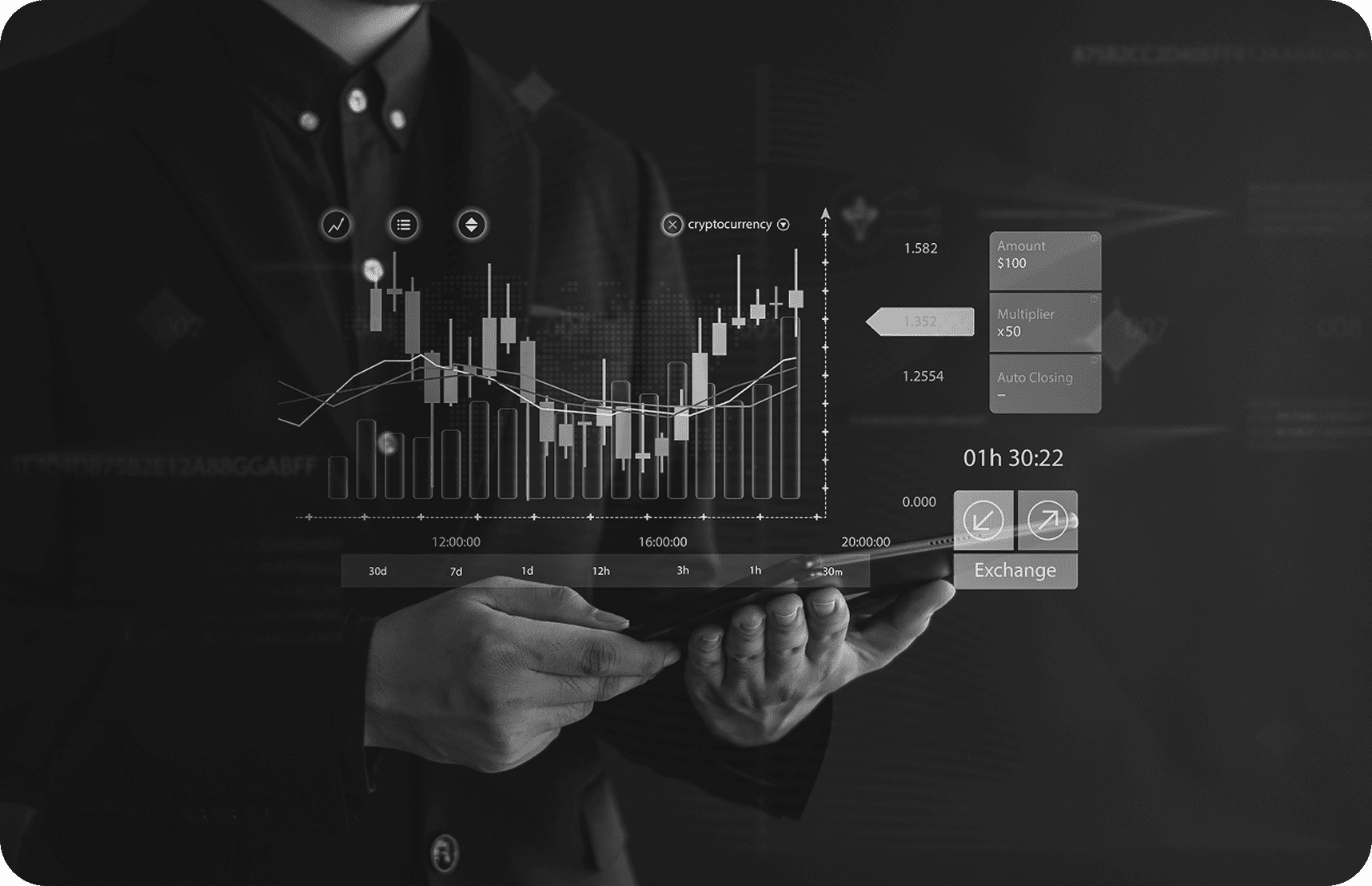
Trading is the process of buying and selling assets such as cryptocurrencies, stocks, commodities, or forex with the goal of generating profit from market movements. While the concept may appear simple, sustainable trading requires structured knowledge, disciplined decision-making, and a clear understanding of how markets operate. This lesson provides a foundation for new traders beginning their journey in the crypto space. The goal is to teach you how trading works, why markets move, and how traders approach decision-making in a systematic way.
Trading is the act of exchanging one asset for another. In cryptocurrency markets, this typically means buying a digital asset (like Bitcoin) using stablecoins or fiat currency, and later selling it at a different price.
Unlike investing which generally involves long-term holding trading focuses on shorter-term price movements. Trading involves:
The goal is not simply to buy low and sell high; it’s to make data-driven, consistent decisions over time.
Crypto markets operate 24/7, unlike stock markets that close daily. This creates continuous opportunities but also continuous risks. Price changes happen due to supply and demand, trading volume, liquidity conditions, and macroeconomic events. Key characteristics of crypto markets:
Understanding these dynamics helps beginners anticipate how quickly conditions can change.
Crypto markets consist of several categories of traders:
Each group influences price differently. For example, market makers stabilize markets, while retail traders contribute to volatility during news events.
There is no single “correct” way to trade. Your trading style depends on your goals, availability, risk tolerance, and personality.
Beginners typically start with swing trading because it offers a balanced pace — not too fast, not too slow.
Understanding why markets move helps traders avoid emotional decisions.
If more people want to buy than sell → price rises. If more want to sell than buy → price drops.
High liquidity allows large trades with less price impact. Low liquidity increases volatility.
Announcements, regulations, exchange hacks, and global economic data influence prices.
Fear and greed drive short-term movements. Sentiment indicators can help traders avoid buying tops or selling bottoms.
Large traders (“whales”) can influence prices by moving significant amounts of capital.
Charts often react to support/resistance levels and trendlines due to collective trader behavior. A skilled trader learns to interpret these factors rather than reacting impulsively.
A skilled trader learns to interpret these factors instead of reacting impulsively to price changes.
Emotion is one of the biggest challenges for traders. Fear and greed can undermine even the best strategies.Common psychological traps:
Entering trades too late simply because others are buying.
Exiting positions too early during normal market volatility.
Taking excessive risks after a series of successful trades.
Attempting to recover losses immediately with impulsive trades.
Overthinking decisions and missing valid trading opportunities.
Disciplined trading relies on predefined rules and consistency rather than emotional reactions to the market.
Developing the right mindset early leads to better long-term trading outcomes.